How Local Experts Handle Roof Repairs Succasunna NJ
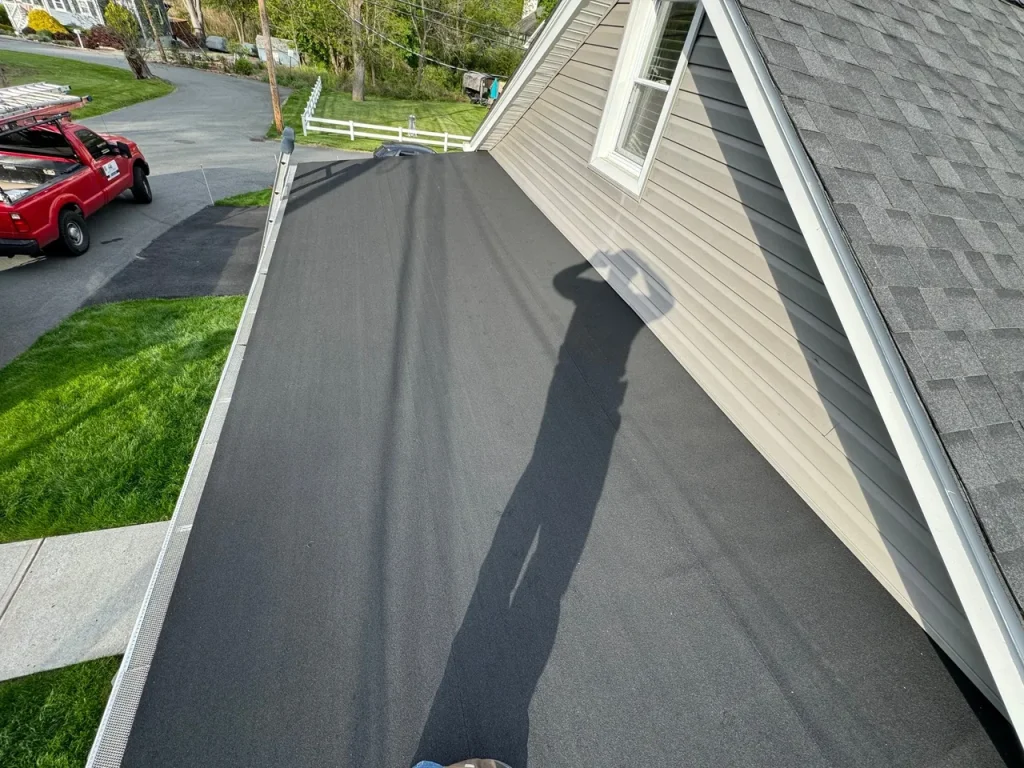
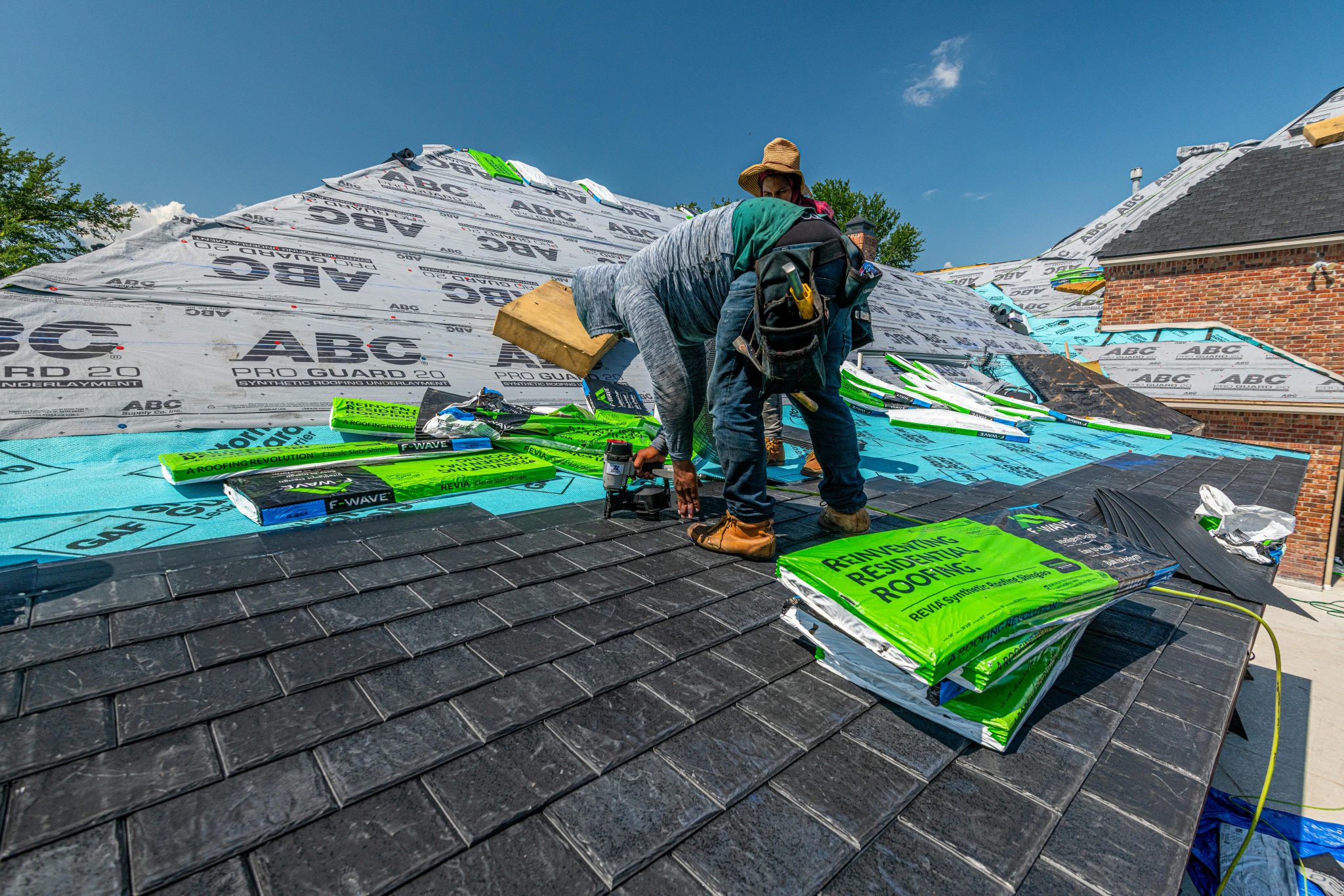
A roof problem in Succasunna rarely starts as a dramatic event. More often, it begins with a small stain on a bedroom ceiling, a shingle that slips after a winter storm, or damp insulation discovered during an attic visit. By the time a homeowner notices the issue indoors, the roofing system has usually been under stress for a while. That is why local contractors who specialize in Roof Repairs Succasunna NJ tend to approach every job with a wider lens. They are not just patching a visible leak. They are reading the roof’s history, the home’s ventilation patterns, the drainage layout, and the weather exposure that caused the problem in the first place.
That local perspective matters. Succasunna homes deal with a mix of conditions that punish roofs in different ways across the year. Snow load and freeze-thaw cycles can work at flashing and fasteners in winter. Spring rains reveal weak valleys and aging pipe boots. Summer heat bakes asphalt shingles and accelerates granule loss. In fall, leaves clog gutters and create standing water at eaves. A repair that works in a dry, warm climate can fail quickly here if it ignores moisture retention, ice risk, or attic airflow.
Experienced roofers in this area know that successful Roof Repairs are equal parts diagnosis, craftsmanship, and timing. The patch itself is only one piece of the work.
What local roofers look for before they touch a shingle
A seasoned roofer rarely climbs onto a house and starts replacing visible damage right away. The first step is usually detective work. In many cases, the place where water appears inside the home is not the place where it entered the roof. Water can travel along decking, rafters, insulation, and even wiring before it shows itself. That is why competent repair crews often inspect the attic, the roof surface, the flashing details, and the gutter line before giving a firm recommendation.
On asphalt shingle roofs, they look closely at several pressure points. Valleys are a common trouble area because they carry concentrated water flow. Chimney flashing often tells a story of prior repairs, some done well, some done with too much sealant and not enough proper metal work. Pipe penetrations can fail as the rubber boots age and crack. Step flashing at sidewalls may be hidden beneath siding, and that is one place where shortcuts from past installations often come to light.
Local experts also pay attention to how old the roofing materials are. A repair on a roof with a lot of remaining service life makes sense. A repair on a roof near the end of its life may still be possible, but the advice will usually come with caveats. A responsible contractor will say so plainly. There is a difference between buying time for a year or two and restoring long-term reliability. Homeowners deserve to know which one they are paying for.
One of the clearest signs of experience is when a roofer can separate cosmetic wear from functional failure. Granule loss on older shingles may look alarming but not always require immediate intervention. A lifted shingle tab over a high-wind corner may look minor but can expose the roof to rapid water intrusion in the next storm. Local judgment comes from having seen how these small conditions behave over several Morris County winters.
Succasunna weather changes the repair strategy
Roof repair in Succasunna is shaped by season in a very practical way. During cold months, shingles become less flexible. Seal strips may not bond properly until warmer https://landendwbj211.scriblorax.com/posts/roof-repairs-succasunna-nj-for-ice-dam-and-winter-moisture-issues weather returns. Ice damming can complicate leak tracing because the active water entry point may be buried under snow or caused by backed-up meltwater rather than direct rainfall. In those cases, a roofer may perform a temporary stabilization first, then come back for a more permanent repair when conditions improve.
That does not mean winter repairs are impossible. It means the methods and materials have to fit the temperature. For example, emergency leak control might involve targeted flashing reinforcement, careful shingle replacement, or underlayment patching in a way that reduces further exposure until the roof can be fully evaluated. The better contractors explain this clearly. They do not pretend every January repair is identical to one performed on a dry June afternoon.
Summer brings a different issue. High attic heat can make a roof seem like it has a leak when the real problem is ventilation and condensation. I have seen homes where the owner was convinced rain was entering around a vent stack, only for the inspection to show moisture buildup from hot attic air meeting cooler conditioned surfaces. The repair plan in that case is different. Simply sealing exterior components does not fix an airflow imbalance.
Local roofers who know the area also pay close attention to tree coverage. Succasunna has plenty of neighborhoods where mature trees are an asset to the property but hard on the roof. Shade can prolong surface dampness after rain. Branch abrasion wears shingles. Debris collects in valleys and gutters, creating mini dams that trap water where it should never sit. A successful repair sometimes includes correcting that maintenance pattern, not just replacing damaged material.
The difference between a patch and a proper repair
Homeowners often use the word patch to describe any small roofing fix, but professionals make sharper distinctions. A temporary patch is meant to stop active water entry fast. A proper repair restores the roof assembly at that location so it performs like the surrounding system. Those are not the same thing.
For example, if wind has torn off a few shingles, a quick patch might involve slipping in replacements and hand-sealing them. That may work if the surrounding shingles are healthy and the underlayment is intact. But if the wind damage also loosened nails, cracked adjacent shingles, or exposed flashing at a wall transition, a more complete repair is necessary. Otherwise, the roof may look fixed from the ground while remaining vulnerable at the edges.
The same principle applies to leaks around chimneys. Many poor repairs rely too heavily on roof cement or caulk smeared around masonry and metal joints. That can stop water for a short period, but it rarely holds up through repeated freeze-thaw movement. A proper repair usually means addressing step flashing, counterflashing, and integration with the surrounding shingles. It takes more time, more skill, and often more material, but it is the difference between solving the issue and chasing it.
This is one reason reputable Roof Repairs Succasunna NJ companies spend time explaining scope. They know homeowners have often seen a leak “fixed” before, only to watch it return. Clarity matters. If the job is temporary, they should say that. If the repair includes decking replacement because trapped moisture rotted the wood beneath, they should say that too.
Why attic conditions matter more than many homeowners realize
A roof can fail from above, but it can also fail from below. Attic ventilation and insulation play a larger role in roof health than many people expect. Local experts understand this because they see the same pattern over and over. A roof with poor intake and exhaust ventilation runs hotter in summer, which can shorten shingle life. In winter, uneven attic temperatures can contribute to ice damming. Moisture from bathrooms, kitchens, or laundry areas can end up in the attic if fans terminate improperly or air sealing is weak.
When a roofer inspects the attic during a repair call, they are not trying to upsell. They are checking whether the roof is being stressed by house conditions. Dark staining on the decking, damp insulation, rusted nail tips, and musty odor all point toward moisture issues that may not be caused by direct rain entry alone.
I remember one case on a colonial-style home where the owner had repaired the same ceiling stain twice in three years. The first two visits from different companies focused on the roof penetration nearest the stain. The third roofer inspected the attic and found bathroom exhaust dumping warm, humid air beneath the roof deck. During cold snaps, condensation formed and then dripped down along framing. The final solution required correcting the vent termination and replacing a section of compromised decking near the exhaust path. The lesson was simple: a roof leak is not always a roof leak.
Common repair scenarios in this part of New Jersey
Not every house in Succasunna has the same roof style or age, but certain repair patterns come up repeatedly. Asphalt shingle systems dominate many neighborhoods, and most local contractors know the failure points well. Missing shingles after wind events are common, especially on exposed ridges and corners. Flashing breakdown around chimneys and dormers shows up often on older homes. Pipe boot deterioration becomes more frequent as roofs move into the middle and later years of service.
Skylights are another recurring issue. Sometimes the unit itself is fine, but the surrounding flashing or ice-and-water protection was poorly installed years earlier. Other times, the skylight has reached the point where repair around it no longer makes sense and replacement is the smarter path. A competent roofer will tell the homeowner when a repair is likely to hold and when it is likely to become a recurring expense.
Flat or low-slope sections over porches, additions, or garages present their own challenges. Water drains more slowly there, so membrane condition, seam integrity, and flashing details become critical. A repair that would be adequate on a steep-slope roof may be nowhere near enough on a low-slope section. Local specialists who work on both roof types tend to spot those differences quickly.
How professionals decide whether decking needs replacement
One of the more sensitive parts of a roof repair conversation involves the wood beneath the shingles. Homeowners understandably worry when they hear terms like soft decking or rot. Some fear they are being sold unnecessary extra work. Good contractors handle this part with evidence and restraint.
Decking is typically replaced when it has lost structural integrity, when nails no longer hold properly, or when prolonged moisture has caused deterioration that prevents a watertight repair. Not every discolored board is rotten. Not every older board needs to come out. Experienced roofers know how to probe for softness, check fastening strength, and identify whether the wood can still support the new roofing materials.
This judgment call matters because over-replacing adds cost, but under-replacing compromises the repair. A shingle installed over weak decking may look fine for a short time and then lift, sag, or leak again. On repair jobs, local experts often expose only the affected section first, then expand the scope if they find damage extending beyond the visible area. That approach balances caution with honesty.
What homeowners should expect during the repair process
The best Roof Repairs jobs are not just technically sound. They are also well managed. That means communication before, during, and after the work. A homeowner should expect a contractor to explain what was found, what will be repaired, what materials will be used, and whether color matching of shingles may be approximate rather than exact. On older roofs, that last point is important. Sun exposure changes shingle appearance over time, and a perfect blend is not always possible.
A professional crew will also protect the property. That includes reasonable care around landscaping, driveway access, siding, and gutters. Repair work may be smaller than a full replacement, but it still involves tools, debris, and foot traffic. Crews who work these neighborhoods regularly understand the value of cleanup, magnet sweeps for nails, and minimizing disruption.
When weather is questionable, good scheduling becomes part of the craft. Rushing to open a roof before a storm front is not smart. Neither is delaying a leak-prone condition without a temporary safeguard. Local companies with solid repair experience usually build flexibility into their calendar for urgent leak response, then return for follow-up work if broader repairs are needed.
Signs a contractor knows repair work, not just replacements
Some roofing companies are excellent at full tear-offs and less skilled at diagnostics. Repair work demands a different temperament. It requires patience, a willingness to trace subtle failures, and comfort working within existing conditions that are not always neat or predictable.
A few indicators often separate true repair specialists from companies that mainly prefer replacement work.
- They spend time inspecting beyond the obvious leak spot.
- They explain what is causing the issue, not just what they plan to swap out.
- They distinguish between temporary stabilization and permanent repair.
- They discuss surrounding components like ventilation, flashing, gutters, and decking.
- They are candid when a repair is possible but may not be the most cost-effective long-term choice.
That last point matters. Trust is built when a roofer is willing to say, “Yes, we can repair this, but here is what I would watch over the next twelve to twenty-four months.” Homeowners remember that kind of honesty.
The role of materials in a lasting repair
A repair is only as durable as the material choices behind it. Matching shingle type, thickness, and exposure is part of the equation, but underlayment, flashing metal, sealants, and fasteners matter just as much. Local experts generally avoid one-size-fits-all fixes because they know the weak point on many repairs is not the visible shingle. It is the hidden connection between materials.
For example, if a section near a wall is being rebuilt, proper step flashing integration is often more important than the shingles themselves. If a vent penetration is repaired, the quality and fit of the boot and its sealing method can determine whether the area stays dry through multiple seasons. On low-slope roof sections, seam compatibility and membrane detail work carry even more weight.
Material availability can also influence the approach. On newer roofs, close matches are usually possible. On older roofs with discontinued products, a contractor may need to blend as carefully as possible while focusing on waterproof performance first. Most homeowners appreciate directness here. A slightly visible repair that stays dry is better than a visually perfect shortcut that fails.
Cost, judgment, and why the cheapest fix often costs more
Repair pricing varies widely because roof problems vary widely. A few replaced shingles and a minor flashing adjustment are not in the same category as leak tracing, partial tear-back, underlayment replacement, and decking repairs around a chimney. Homeowners sometimes compare quotes that sound similar on the surface but are not covering the same work.
A low quote may reflect a very narrow scope, minimal prep, or reliance on sealant where proper flashing work is needed. That does not always mean the contractor is dishonest. Sometimes they are simply treating the symptom rather than the system. The trouble is that repeat leak calls quickly erase any upfront savings.
The more useful question is not “Who is cheapest?” but “What exactly is being repaired, and why?” Local experts who know Roof Repairs Succasunna NJ understand that homeowners want value, not vague promises. The strongest repair estimates are specific enough that the customer can see where the money is going, yet realistic enough to account for hidden conditions once the area is opened.
When a repair is smart, and when replacement deserves serious thought
One mark of an experienced roofer is knowing when not to oversell a repair. If the roof is relatively young and the damage is localized, a targeted fix is often the right move. If the roof is broadly worn, has multiple active leak points, brittle shingles, failing flashing in several areas, and signs of chronic moisture, then repeated repairs may become false economy.
That does not mean every older roof needs replacement immediately. Some can be safely maintained with selective repairs while the homeowner plans ahead. But the advice should match the actual condition. Good contractors frame this as a budgeting and risk decision. They explain what a repair can reasonably achieve and where uncertainty remains.
Homeowners in Succasunna often appreciate that practical approach. Weather here does not leave much room for wishful thinking. If a roof is in its final stretch, it is better to say so than to keep applying short-term fixes each season.
Why local knowledge shows up in the finished result
There is a visible difference between a repair done by someone who knows the area and one done by someone treating every roof the same. Local roofers understand which sides of homes tend to weather harder, how snow and ice behave on common neighborhood rooflines, and what recurring installation mistakes they find in certain eras of construction. They know how older flashing details were commonly built and where later additions often create drainage problems.
That knowledge shortens diagnosis time and improves repair quality. It also helps with communication. A contractor familiar with Succasunna homes can often describe likely causes in plain language because they have seen similar conditions many times before. That gives homeowners more confidence, especially when the issue is intermittent and frustrating.
At its best, roof repair is not flashy work. It is careful, methodical, and grounded in practical building science. The local experts who handle Roof Repairs in Succasunna tend to succeed because they respect the details. They read the roof as a system, not a surface. They understand the climate, the housing stock, and the small warning signs that less experienced crews often miss. And when they do the job right, the result is usually quiet. No drip in the attic during the next storm, no new stain after the snow melts, no repeat call six weeks later. Just a roof doing exactly what it should do.
Royalty Exteriors
Address: 151 NJ-10 Ste 103A, Succasunna, NJ 07876
Phone number: +19733337234
FAQ About Roof Repairs Succasunna NJ
How much should I pay for roof repairs?
Most homeowners pay an average of $900 to $1,200 for roof repairs, with typical projects ranging from $150 to $3,000+ depending on the severity of the damage.
What are the most common roof repairs?
The most common roof repair is fixing water leaks by replacing damaged, cracked, or missing asphalt shingles and sealing compromised flashing.
Does homeowners insurance pay for roof repairs?
Homeowners insurance pays for roof repairs only if the damage is sudden and accidental, such as from a storm, hail, or a falling tree.